
Uncategorized
LSD Blotters Explained: Dosage, Potency, and What to Expect
Dec
Educational Guide — Harm Reduction Focus
What Are LSD Blotters?
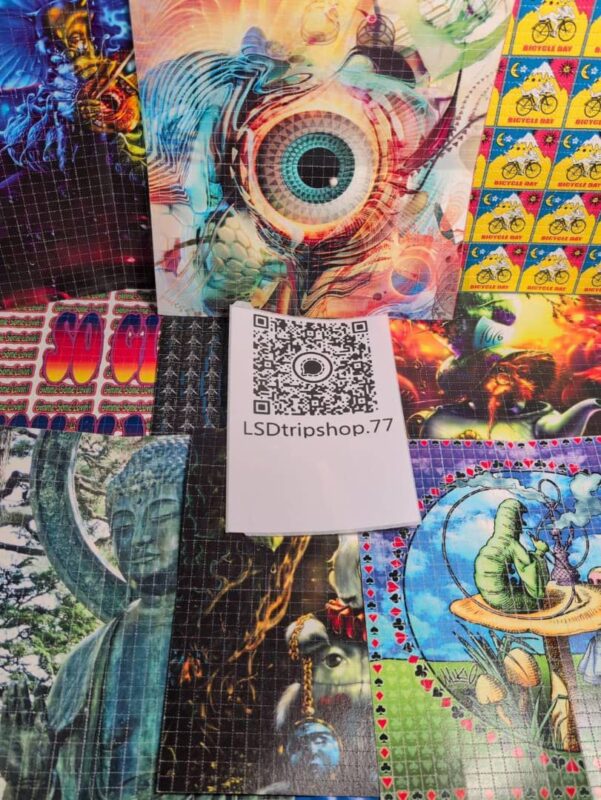
LSD blotters are small squares of absorbent paper infused with a measured amount of lysergic acid diethylamide (LSD). Each square—often called a “tab” or “hit”—is designed to deliver a single dose. Blotters are popular because they’re lightweight, easily divided, and often decorated with unique psychedelic artwork.
While blotter art has become a collectible subculture of its own, the appearance of a blotter does not reliably indicate potency or authenticity.
How Dosage Works
Because LSD is active in microgram amounts, the active substance on a blotter is invisible. Standard blotter doses typically fall within these ranges:
- Microdose: 5–20 µg
- Threshold: 20–50 µg
- Moderate Dose: 75–125 µg
- Strong Dose: 150–250 µg
- Very High Dose: 300+ µg
Actual potency can vary widely depending on factors such as:
- The original crystal strength
- How evenly the blotter was laid
- Age and storage conditions
- Exposure to heat, air, or light
This is why dosing should always be approached cautiously.
Understanding Potency Variations
Unlike regulated substances, illicit LSD can differ significantly from batch to batch. Potency loss occurs when blotters are stored improperly or exposed to:
- Sunlight
- Moisture
- High temperatures
- Open air
Cool, dark, airtight storage slows degradation. Even then, potency naturally decreases over time.
Effects: What to Expect
LSD affects serotonin receptors in the brain, often leading to:
Psychological Effects
- Visual distortions or enhanced patterns
- Altered perception of time
- Heightened emotions
- Introspection or philosophical thinking
Physical Effects
- Dilated pupils
- Increased heart rate
- Restlessness
- Sensory enhancement
Onset & Duration
- Onset: 20–60 minutes
- Peak: 2–4 hours
- Total duration: 8–12 hours
- Afterglow: Up to 24 hours
Because effects are long-lasting, users need safe, stable environments and adequate time.
Harm Reduction Tips
This guide is for education only. If someone chooses to use LSD, harm-reduction organizations recommend:
- Start with a low dose, especially with unknown potency
- Test substances with a reagent kit when legally permitted
- Stay hydrated without overconsumption
- Choose a safe environment with trusted people
- Avoid mixing with alcohol or other drugs
- Avoid use if prone to anxiety, psychosis, or unstable mental health
- Plan the next day—the aftereffects can be lingering
Legal Disclaimer
LSD is illegal in many countries. This article is for informational and harm-reduction purposes only and should not be interpreted as encouragement, endorsement, or advice to break the law or engage in unsafe behavior.
