
N,N-Dimethyltryptamine, often abbreviated as DMT, is a naturally occurring psychedelic compound that scientists classify within the tryptamine family. These molecules are structurally similar to the neurotransmitter serotonin, which plays a role in mood, perception, and sleep. Because of this similarity, DMT can strongly interact with certain serotonin receptors in the brain and produce intense alterations in perception and awareness.
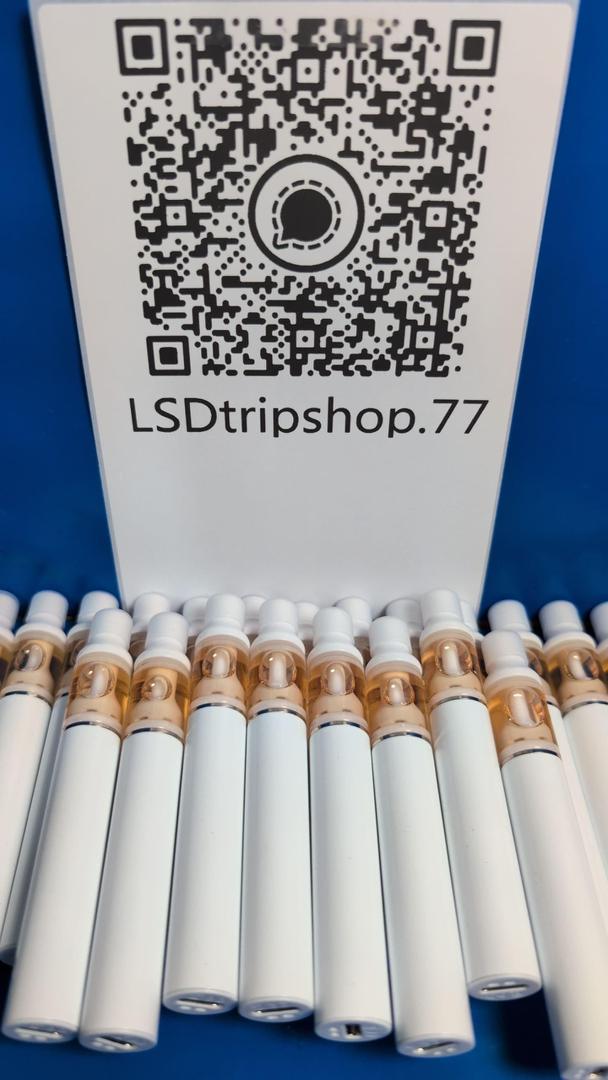
In recent years, conversations about modern consumption methods have included devices commonly referred to as “DMT vapes.” These devices are a form of vaporizer technology designed to heat substances so they become inhalable vapor instead of burning them through combustion. Vaporization devices are widely used in different contexts because they can deliver compounds quickly into the bloodstream through the lungs. However, discussions about DMT vaporization are usually focused on education, health risks, and legal considerations rather than promotion.
Historically, the presence of DMT in human culture dates back centuries through plant-based preparations used in parts of South America. Certain traditional brews made from DMT-containing plants have been used in ceremonial and spiritual settings by Indigenous communities. These traditions often involve guidance from experienced practitioners and are embedded within cultural and religious practices rather than casual use.
Modern scientific research has explored DMT to better understand how psychedelic substances influence the brain. Researchers study its interaction with serotonin receptors and how it may temporarily change perception, emotions, and sense of self. Interest in psychedelic science has grown again in recent decades as universities and research institutions examine altered states of consciousness and potential therapeutic applications.
Because DMT produces very powerful psychological effects, it is regulated or prohibited in many countries. Educational discussions about the substance and technologies related to vaporization usually focus on accurate scientific information, cultural context, and the importance of understanding laws and health considerations.
Be the first to review “DMT vapes”
Related products
DMT
DMT
Reviews
There are no reviews yet.